

Weddings
Plan your dream Hill Country wedding with the best venues, vendors & local inspiration.
Featured
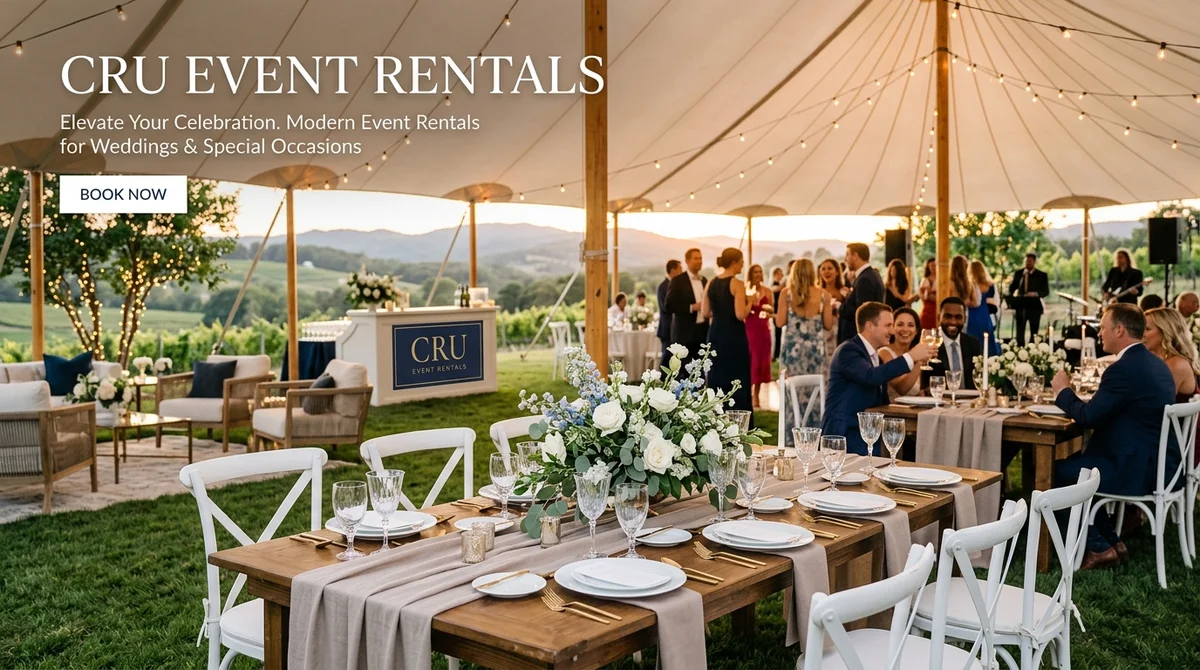
Vendors (187)
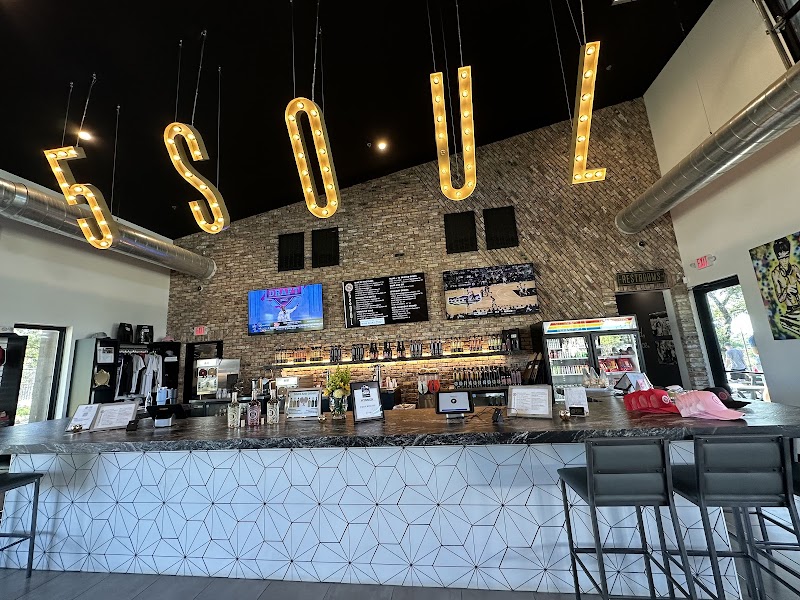
5 Soul Wine Co
Venue · Spicewood, TX
7 Creeks Vineyard
Venue · Burnet, TX
AGRILIFE AUDITORIUM
Venue · Burnet, TX
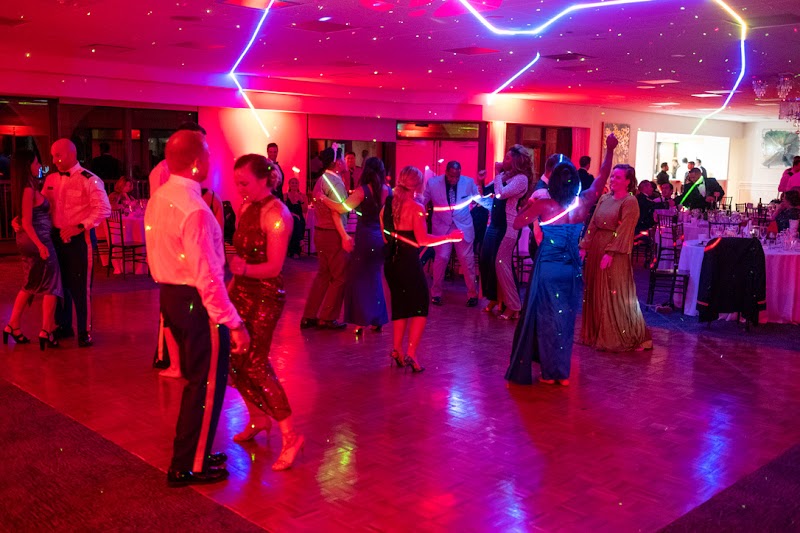
American DJs
Venue · Boerne, TX
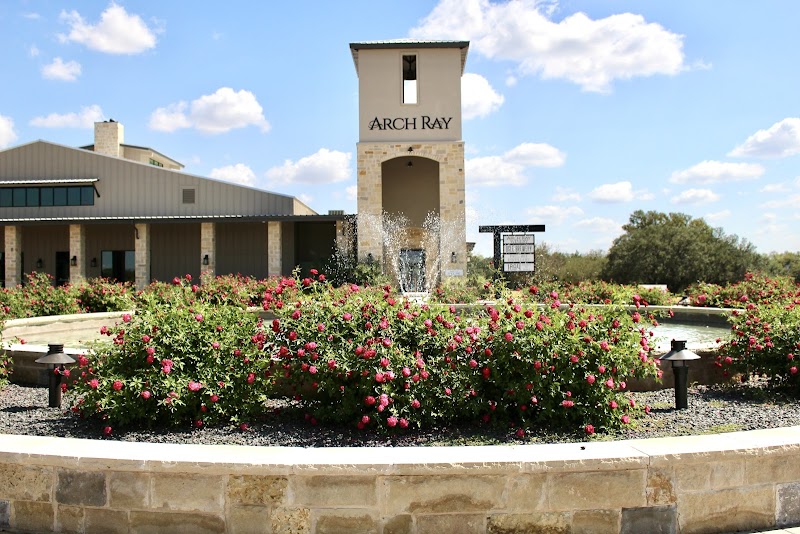
Arch Ray Resort
Venue · Fredericksburg, TX
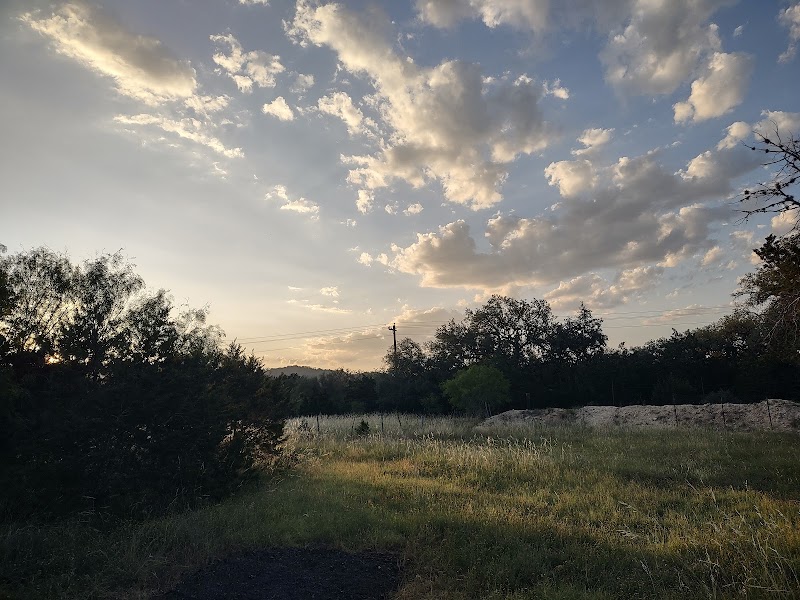
At Last Ranch, LLC
Venue · Utopia, TX
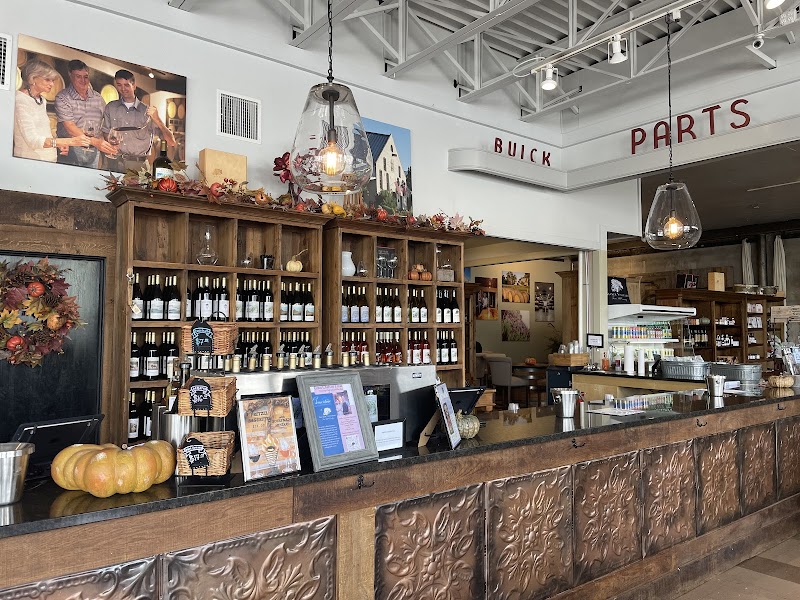
Becker Vineyards
Venue · Fredericksburg, TX
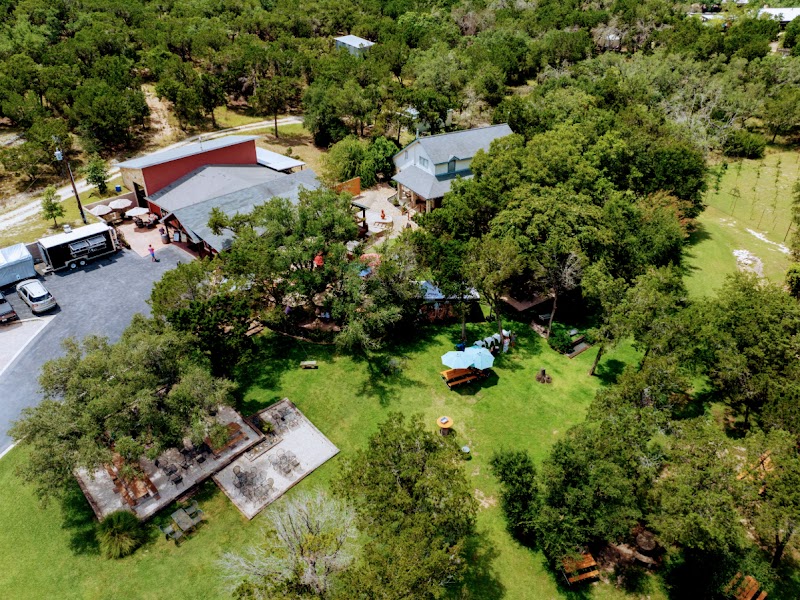
Bell Springs Brewing Company
Venue · Dripping Springs, TX
Blanco Masonic Lodge #216
Venue · Blanco, TX
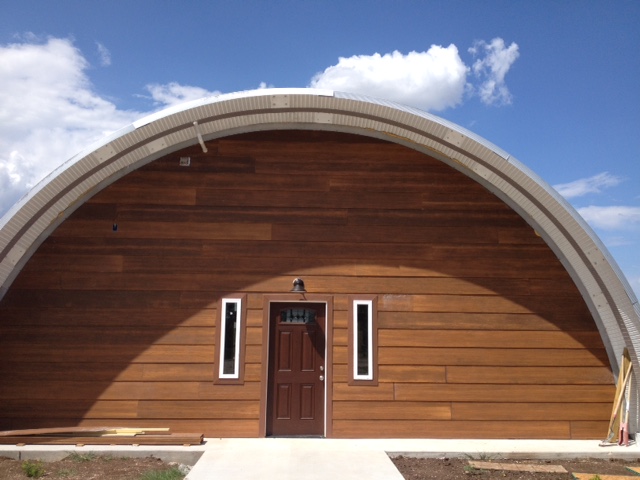
Blue Lotus Winery - Hye
Venue · Hye, TX
Bluebonnet Festival
Venue · Burnet, TX
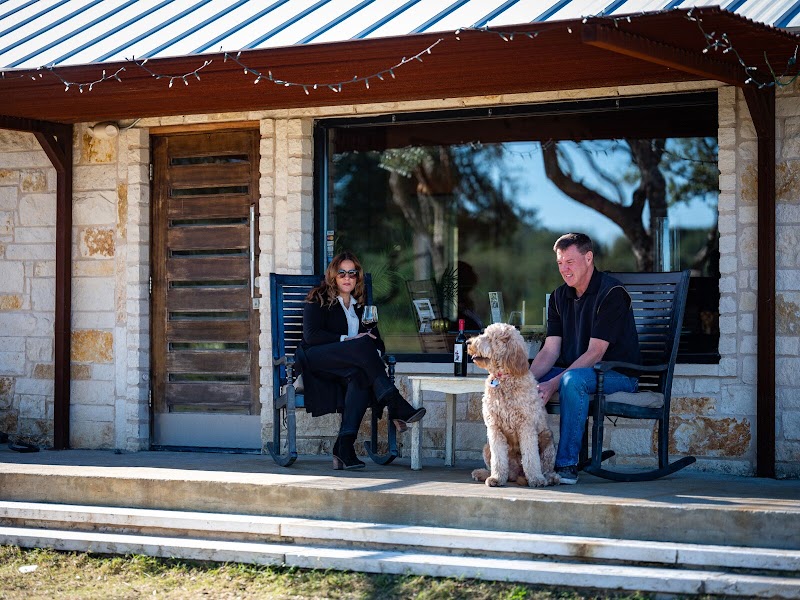
Bodega Familia Sewell
Venue · Spicewood, TX
Boerne Community Theatre
Venue · Boerne, TX
Boerne ISD Stadium
Venue · Boerne, TX
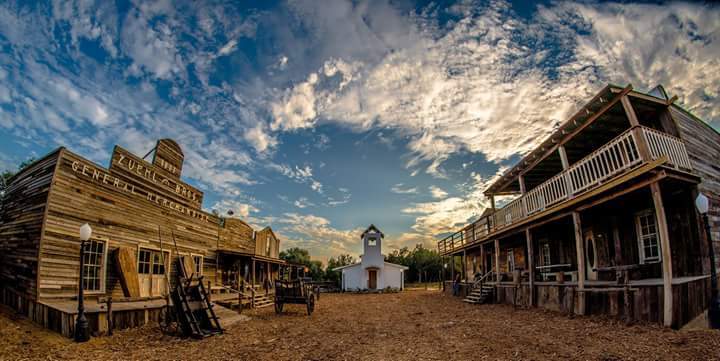
Buggy Barn Museum
Venue · Blanco, TX
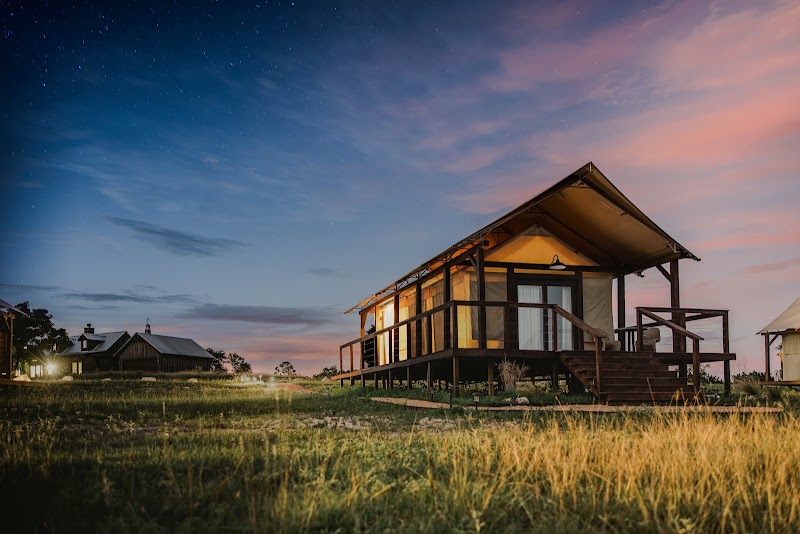
Camp Hideaway - Fredericksburg
Venue · Fredericksburg, TX
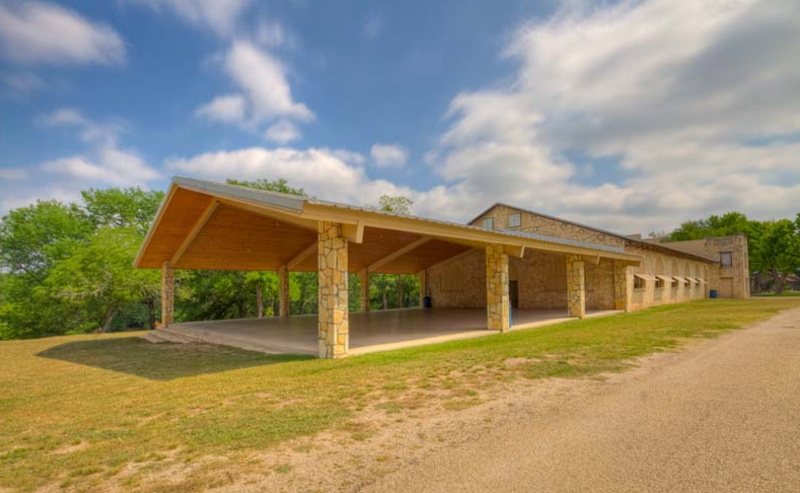
Camp Rio Vista & Camp Sierra Vista
Venue · Ingram, TX
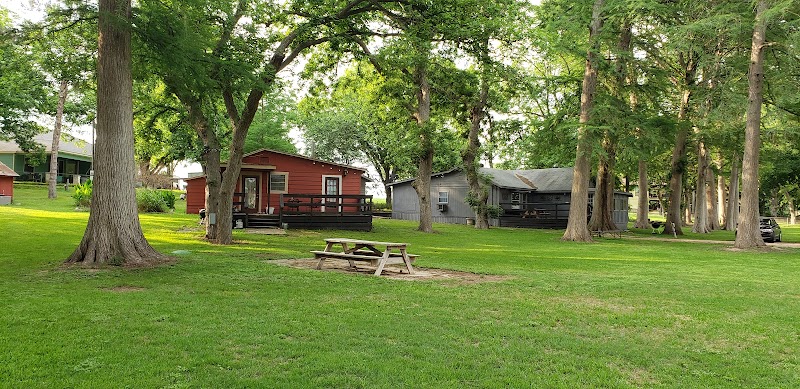
Camp Willow Resort
Venue · New Braunfels, TX
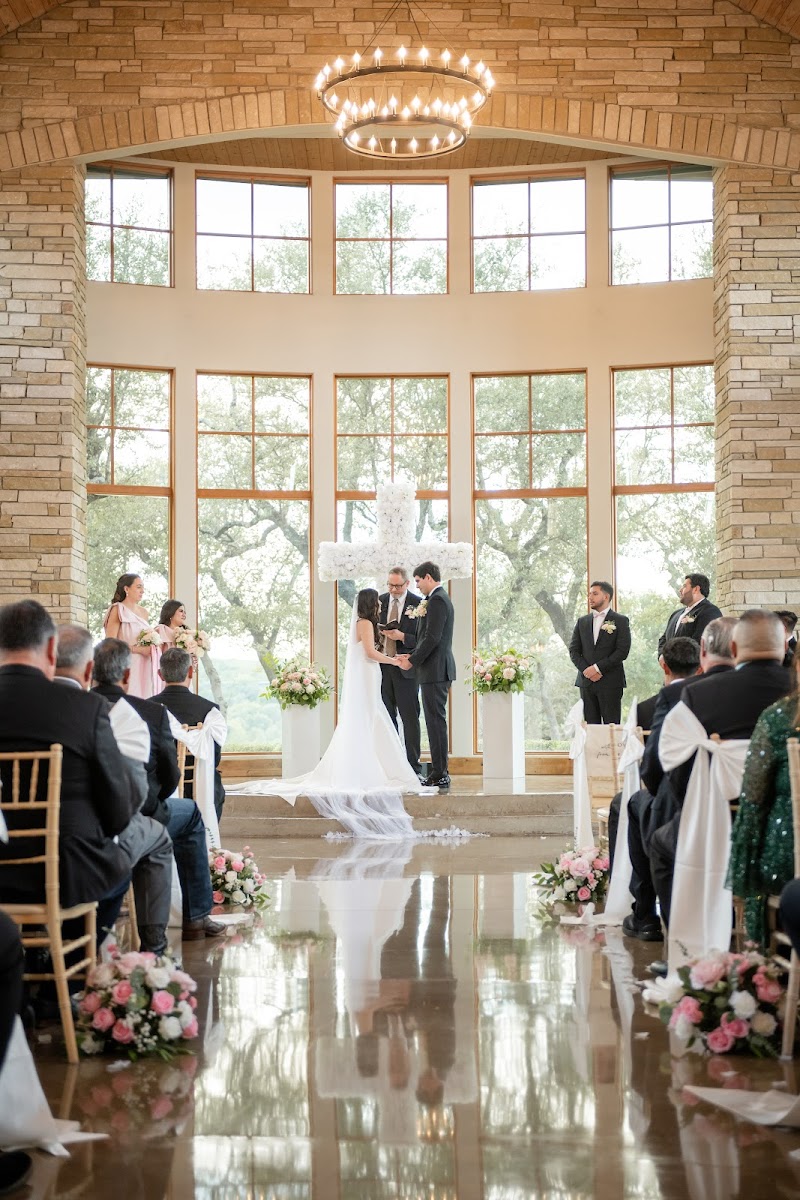
Canyonwood Ridge
Venue · Dripping Springs, TX
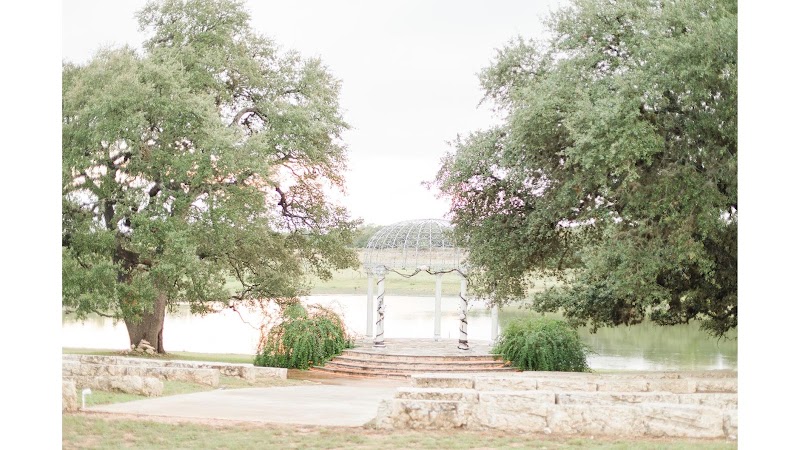
Carriage Hills Ranch
Venue · Blanco, TX
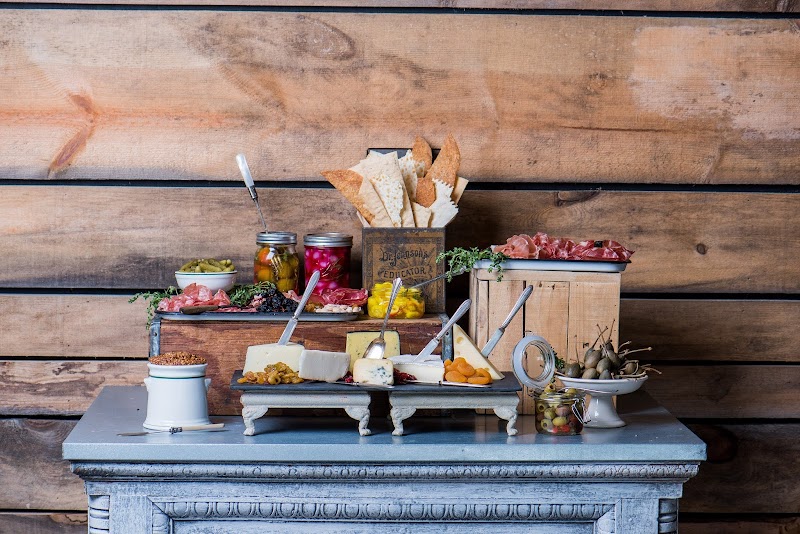
Cartewheels Catering + Carte & Co
Venue · Kerrville, TX
Centroid Cellars
Venue · Driftwood, TX
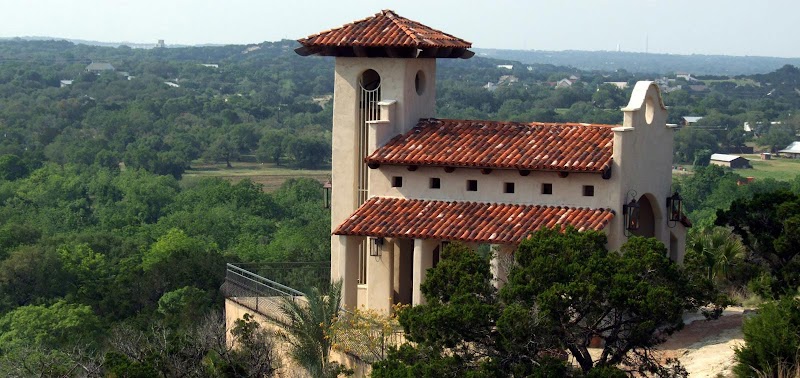
Chapel Dulcinea
Venue · Austin, TX
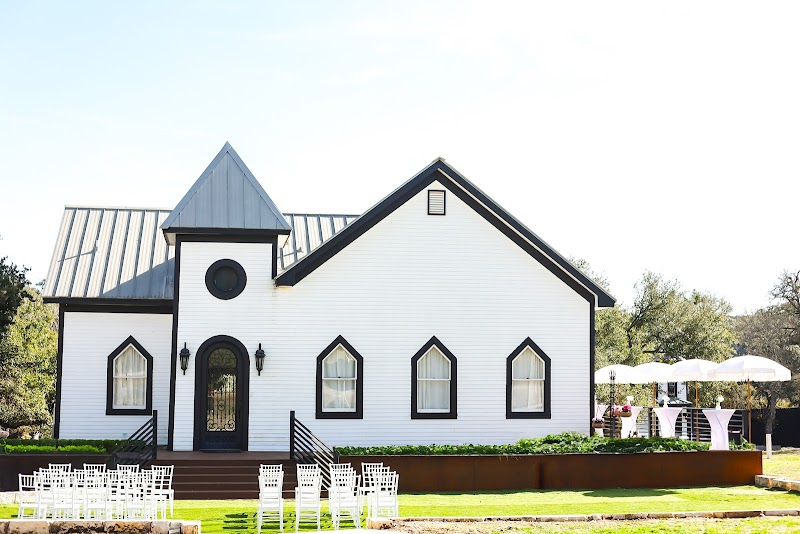
Chapel Home
Venue · Wimberley, TX
Your Hill Country planning guide
Why couples choose the Texas Hill Country
The Texas Hill Country has become one of the most sought-after wedding regions in the state. Within an hour or two of Austin and San Antonio, you get limestone hills, live oak and cedar, spring wildflowers, vineyards, spring-fed rivers, and small towns that feel a world away from big-city traffic. That combination—scenery, hospitality, and accessibility—explains why destination weekends here are so common. Guests can road-trip from Dallas, Houston, or the Gulf Coast, spend two or three nights in Fredericksburg or Dripping Springs, and still feel like they have been somewhere unmistakably Texan.
What sets the Hill Country apart is variety without sprawl. You can marry in a restored dance hall, a modern barn venue, a winery with rows of vines, a riverside ranch, or a historic hotel on a town square. The same weekend might include barbecue, a swim in the river, wine tasting, and live music—so the wedding is not only a ceremony but a shared experience for everyone who travels to be there.
Regions and towns to know
Fredericksburg and Gillespie County offer German heritage, Main Street shopping, wineries, and a deep bench of event spaces from intimate tasting rooms to large Hill Country estates. It is one of the most recognized wedding destinations in Central Texas, so prime Saturdays and popular vendors book far in advance.
The Dripping Springs and Wimberley corridor is often called the “wedding capital” of the region for good reason: rolling countryside, oak groves, and a concentration of purpose-built venues along Hamilton Pool Road and the surrounding hills. Wimberley adds river and creek scenery and a strong creative community—artists, musicians, and makers who often cross over into events.
Boerne, Comfort, and Bulverde sit along the I-10 corridor northwest of San Antonio and blend small-town charm with newer development. Kerrville and the Guadalupe River country anchor the western Hill Country with river parks, quieter roads, and a more relaxed pace. New Braunfels and Canyon Lake bring lake life, tubing culture, and easy access from San Antonio and Austin.
Marble Falls, Horseshoe Bay, and the Highland Lakes appeal to couples who want water views, boating, and resort-style stays. Each cluster has its own personality; the right choice depends on whether you want vineyard sunsets, riverfront photos, or a lake house weekend with family.
Venues and landscape
Hill Country venues generally fall into a few buckets: ranches and barns, wineries and vineyards, historic properties (lodges, dance halls, courthouses, and hotels), resorts and golf clubs, and outdoor estates with wide views. Many properties are built for multi-day use—rehearsal dinner on Friday, wedding Saturday, Sunday brunch—so ask about noise ordinances, guest capacity, and whether you have exclusive use of the site.
Limestone ledges, oak canopies, and long golden light in late afternoon make outdoor ceremonies popular. Have a weather plan: spring can bring storms; summer afternoons are hot; fall is often the sweet spot for temperature and stable skies. If you are set on bluebonnets or other wildflowers, timing is weather-dependent; build flexibility into photo schedules.
Seasons, crowds, and guest comfort
Spring brings wildflowers and comfortable days, but also unpredictable rain and busy tourist weekends around spring break and Easter. Summer weddings are beautiful at dusk but require shade, hydration, and honest communication with guests about heat—especially older relatives and children.
Fall is peak demand: mild weather, football Saturdays, and popular long weekends fill venues quickly. Winter can be mild and affordable, with fewer tourists in some towns, but check holiday pricing and early sunsets for photography.
Major holiday weekends (Memorial Day, Fourth of July, Labor Day) and local festivals can spike lodging rates and traffic. Booking room blocks early—and sending save-the-dates with lodging options—reduces stress for out-of-town guests.
Guest logistics and hospitality
Many Hill Country weddings are destination weekends. Guests often fly into Austin or San Antonio and rent cars; build buffer time into your schedule for Hill Country roads, especially on two-lane highways between towns. Consider welcome bags with water, snacks, driving directions, and a short list of breakfast spots or coffee shops.
Rehearsal dinners at a brewery, barbecue joint, or farm-to-table restaurant set the tone. A casual welcome party lets friend groups mingle before the main event. For Sunday, a low-key brunch or a group hike or swim (where permitted) can extend the celebration without adding formal cost.
Texas marriage license basics
Marriage license rules are county-specific in Texas. Generally, both parties appear before the county clerk, present identification, pay a fee, and observe a short waiting period before the ceremony—verify current requirements with the county clerk where you plan to apply. If your wedding is in one county but you live elsewhere, confirm whether you can apply in your home county or must use the county where the ceremony occurs.
Officiants must meet Texas law; many couples use religious leaders, judges, or authorized officiants. Your planner or venue coordinator can often recommend trusted local officiants who know the paperwork timeline.
How to use LoneStar Network for your Hill Country wedding
Vendors on LoneStar Network lists local businesses with a wedding vendor type when we know it—venues, planners, photographers, florists, beauty, rentals, and more. Listings come from Google Places categories where they exist, from our own research and imports, and from businesses that claim their profiles. Use the wedding filter on the directory to see everyone tagged for weddings, or narrow by vendor type.
Explore by city to start from a town you are considering; city hubs link to businesses, events, and local flavor so you can align your weekend with what guests will actually do between the rehearsal and Sunday morning.
Stories and guides on our blog add color on Hill Country life, travel, and culture—useful when you are writing your wedding website FAQ or picking a welcome-party location.
Honest expectations about directories and APIs
Google’s business categories work well for wedding venues, event spaces, and many florists and salons, but they do not always label specialists the way couples search—independent photographers, day-of coordinators, DJs, or custom cake studios may not appear as a single perfect category. That is why we maintain a normalized wedding vendor type on listings and supplement Places data with manual and imported vendors over time.
If you do not see a niche vendor in the directory yet, use city pages and keyword search, then ask venues and planners for referrals—local pros keep the best shortlists.
Planning timeline (practical checklist)
Twelve to eighteen months out: lock your region and venue style, set a budget range, and book venue and planner if you are using one—top Saturdays disappear quickly.
Nine to twelve months: photographer and videographer, catering or venue package decisions, save-the-dates, and room-block research.
Six to nine months: attire, invitations, florist, rentals, and beauty trials.
Three to six months: finalize menu, timeline, transportation, and rehearsal plan; confirm marriage license steps.
Final weeks: seating chart, payments, weather backup, and a day-of contact list.
Making the weekend uniquely yours
The Hill Country rewards couples who lean into place: local wine or beer on the menu, a band that knows Texas country and Americana, favors from a nearby maker, or a send-off under the stars away from city lights. Whether your wedding is twenty guests at a riverside cabin or two hundred at a vineyard estate, the region’s mix of nature and hospitality gives you room to tell a story that feels grounded in Texas—without feeling generic.
We are building the LoneStar Network directory to grow with the community: more claimed businesses, richer media, and continued additions to wedding vendor types as we verify and import them. Start with Vendors and Explore by city, and treat this guide as a map—not a catalog of every business in the region, but a frame for planning a Hill Country wedding that your guests will talk about for years.
Photography, light, and the Hill Country palette
Photographers love the Hill Country for the same reasons painters do: long sight lines, soft grasses, dramatic clouds before a storm, and the warm tones of limestone against green oak canopy. Golden hour here can be spectacular, especially in late spring and early fall when the sun sits low enough to skim ridges without overheating your wedding party. If your ceremony faces west, talk through backlighting and squinting with your photographer; a slight shift in aisle angle or ceremony start time can save group portraits.
Indoor backup spaces matter. Historic venues may have smaller windows; barns can be dim after sunset. A photographer who knows how to balance flash with ambient light—and who has worked your venue before—will move faster on the timeline. Ask whether a second shooter is worthwhile for large guest counts or split-prep locations (one partner in Fredericksburg, the other in Comfort, for example).
Food, drink, and regional flavor
Barbecue is an obvious Hill Country anchor, but the region’s food story is broader: farm-to-table restaurants, farmers markets, Tex-Mex and interior Mexican cooking, German baking in Fredericksburg, winery restaurants, and craft breweries from San Marcos to Kerrville. Tasting menus work well for smaller weddings; buffet or family-style service fits barns and outdoor tents where you want a relaxed rhythm.
For alcohol, confirm what your venue allows for BYO, corkage, and bartending. Some locations require licensed bartenders or specific insurance riders. Build hydration into the bar plan—especially for summer—so guests have easy access to water and non-alcoholic options that still feel festive.
Music and entertainment
Live music is part of the cultural DNA here. You might book a solo guitarist for the ceremony, a string quartet for cocktail hour, and a country or Americana band for dancing. DJs remain popular for flexible playlists and emceeing. Ask venues about noise curfew and amplifier placement; rural neighbors and wildlife areas sometimes have stricter limits than you expect.
If you are bringing in a band from Austin or San Antonio, budget for travel, meals, and load-in time on narrow ranch roads. Local acts often know the room acoustics at regional venues and can shorten sound checks.
Transportation and safety
Shuttle buses between hotels and venues reduce drinking-and-driving risk and help guests who are unfamiliar with rural addresses at night. For very remote properties, pin drops, reflective signage, and a short “how to find us” video on your website prevent late arrivals.
Parking on grass after rain can get muddy; gravel lots and shuttle loops are common solutions. Elderly guests may need closer drop-off points—confirm accessibility with your venue early.
Elopements, microweddings, and multi-day retreats
Not every Hill Country wedding is a two-hundred-person tented affair. Elopements and microweddings fit beautifully at smaller inns, courthouse steps in county seats, or private ranches with short guest lists. Some couples rent a large house or compound for the weekend and treat the ceremony as one chapter in a longer stay—hiking, swimming, or wine tasting with their closest people.
If you go small, invest in the details that scale: an excellent photographer, a memorable meal, and a comfortable place for everyone to sleep. The Hill Country’s boutique lodging—cabins, guest houses, and B&Bs—often books out for festival weekends, so reserve early even for ten or twelve rooms.
Working with planners and family
A planner or month-of coordinator is not mandatory, but the Hill Country’s mix of vendors, weather, and driving logistics rewards professional organization. At minimum, assign a point person who is not you—someone who can answer vendor questions, manage the timeline, and handle small fires while you stay present.
Family dynamics travel with you. Clear communication about who is invited to which events (rehearsal, welcome party, brunch) prevents hurt feelings. If parents are contributing financially, align expectations on guest count and vendor priorities before you sign contracts.
Budget anchors and hidden costs
Venue fees, catering, photography, and music typically consume the largest shares of a budget. Do not forget sales tax, service charges, gratuities, permit or park fees for certain outdoor locations, generator rental for remote sites, restroom trailers where needed, and insurance required by the venue. A line item for contingency—especially weather—keeps stress down when plans shift.
Sustainability and stewardship
The Hill Country’s beauty depends on clean water, healthy cedar and oak woodlands, and responsible land use. Ask venues about waste sorting, composting, local sourcing, and leave-no-trace policies for outdoor portraits on public land. Choosing regional flowers and food reduces trucking miles and supports the same community hosting your guests.
After the wedding: memories in the place you chose
Many couples return to the Hill Country for anniversaries—same town, different season—or bring friends back for a long weekend. That is the best endorsement of a destination wedding: the place becomes part of your story, not just a backdrop.
When you are ready to turn inspiration into bookings, use Vendors with the wedding filters, browse Explore by city for the towns you are considering, and read Stories & guides for more Hill Country context. We will keep adding verified vendors and richer listings so your shortlist stays grounded in real businesses you can call, visit, and trust.