A heat wave that pushed temperatures between 105°F and 108°F across many Hill Country and Central Texas locations over the weekend shows only partial signs of easing this week, according to the Lower Colorado River Authority.
Sunday's high of 107°F at Austin-Camp Mabry broke the previous daily record of 106°F set in 2010, the LCRA reported. Overnight relief was slow to arrive — the agency noted that readings at many locations did not fall into the 80s until around midnight.
The LCRA attributed the extreme heat to a strong heat dome centered over northern New Mexico and covering most of the western and central United States as of Monday.
Elevated fire weather conditions exist across the region this week, the LCRA said, driven by poor overnight humidity recovery, critically to extremely dry fuels, and above-average temperatures — a combination the agency says is favorable for increased fire activity.
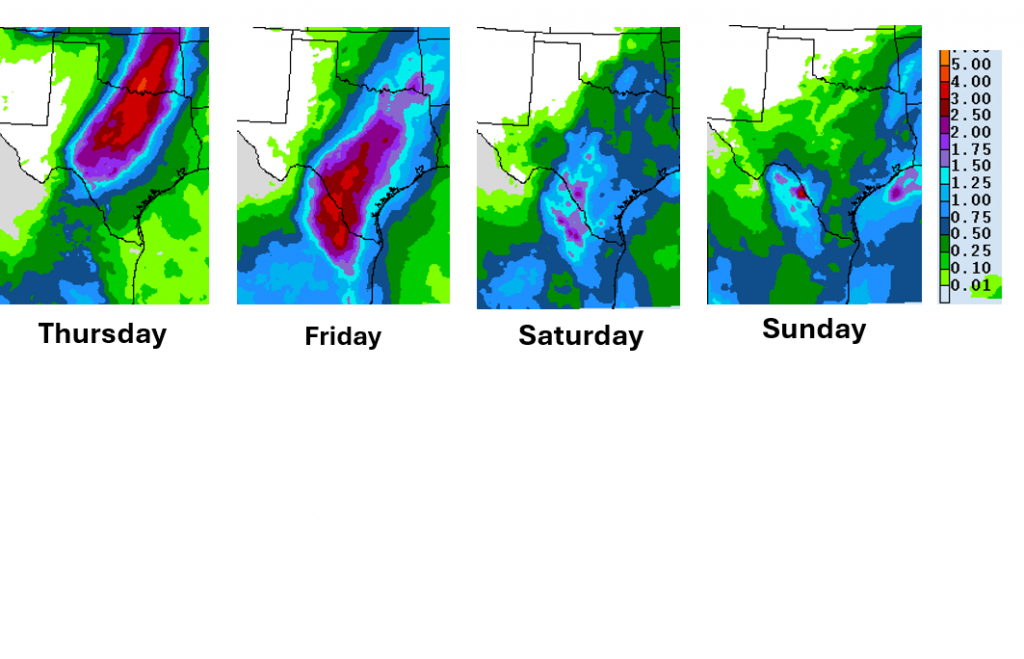
Some relief from the worst of the heat is expected by Thursday and Friday, when highs are predicted to drop to near 100°F, according to the LCRA. Rain chances are forecast at roughly 30 percent Thursday and 20 percent Friday, with any spotty showers producing up to around a quarter inch. The agency cautioned those probabilities remain modest.
Next week, high temperatures are predicted to hold around 100°F to 102°F across the Hill Country and Central Texas, and in the mid-to-upper 90s along the coastal plains, the LCRA said.
On a separate note, a partial lunar eclipse will be visible across all of Texas the night of August 27–28. According to the LCRA, the eclipse begins at 9:33 p.m. CDT, with the maximum phase — during which 96 percent of the lunar surface will be covered by Earth's shadow — running from 11:12 p.m. through 12:51 a.m. CDT. The eclipse ends at 2:01 a.m.
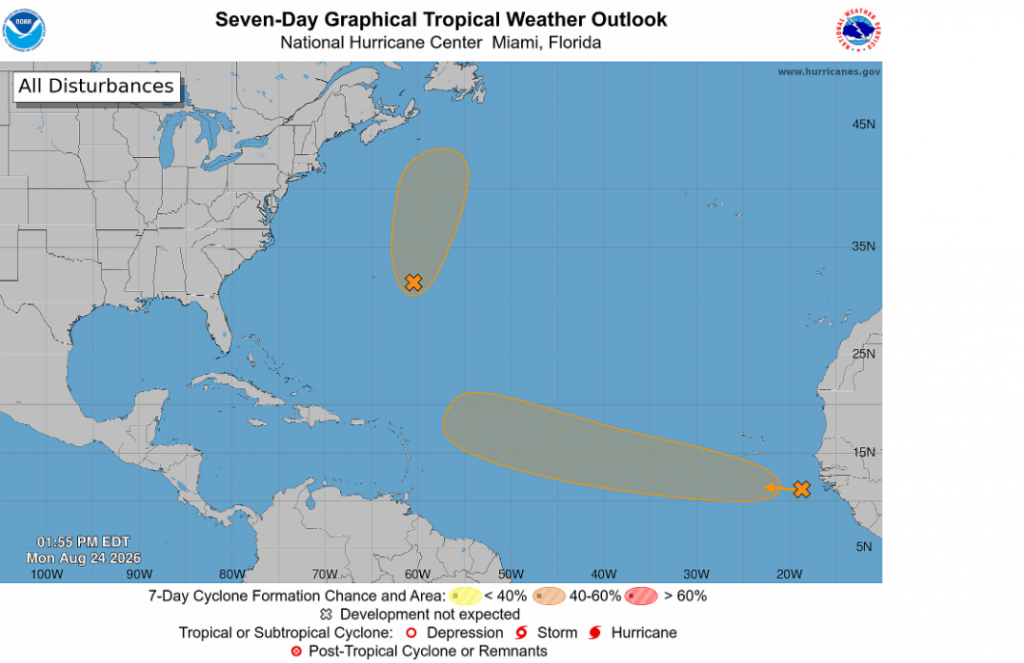
In the tropics, the National Hurricane Center is tracking a wave near the Cabo Verde islands with a 60 percent chance of tropical development over the next seven days, moving westward at 15 to 20 mph, the LCRA reported. A second area of low pressure southeast of Bermuda carries a 50 percent development chance over the next 48 hours but is expected to move over cooler waters by Wednesday, ending its development prospects.
via LCRA. Originally published at LCRA.